Lakewood Ranch Country Club Lifestyle, Membership & Homes
Theresa DiNapoli March 5, 2026
Theresa DiNapoli March 5, 2026
If you love the idea of a gated, golf‑adjacent lifestyle but feel unsure how membership actually works, you’re not alone. Country Club East at Lakewood Ranch and the private Lakewood Ranch Golf & Country Club sit side by side, and the setup can be confusing at first glance. You want clarity on what you get as a homeowner, what requires a separate club membership, and how to budget. This guide breaks it all down so you can compare options with confidence and plan your next move. Let’s dive in.
Country Club East (CCE) is a gated village within Lakewood Ranch, built around neighborhood lakes, preserves, and the Royal Lakes course setting. As a CCE resident, your core amenities are village‑level and include The Retreat clubhouse, resident pools, parks, and walking/biking trails. These are covered by your HOA dues and offered to all homeowners inside the village. You do not need to join a private club to use them. You can confirm the village’s amenity mix and community profile on the neighborhood’s overview page for CCE on the Lakewood Ranch community site (Country Club East village profile).
CCE appeals to buyers who value an active lifestyle and a calm, resort‑style setting. It is not age‑restricted. Many homeowners choose CCE for its lakes, preserves, and social programming, then decide separately whether a private club membership fits their routine.
If parks, trails, and outdoor time matter to you, Lakewood Ranch’s master‑planned system of paths and greenspaces is a real perk. You can browse maps and learn more about the broader parks and trails that connect Lakewood Ranch villages on the developer’s site (parks and trails overview).
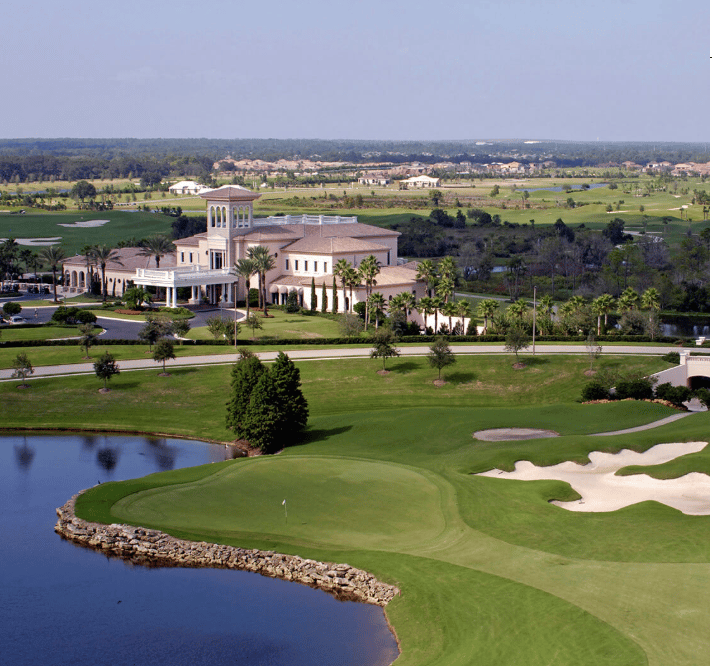
Lakewood Ranch Golf & Country Club (LWRG&CC) is a separate, private membership club that serves Lakewood Ranch and surrounding areas. In 2024, the club added the Legacy course to its private inventory, bringing the total to four 18‑hole courses and 72 private holes, alongside a broader renovation program for courses, clubhouses, and racquet/fitness facilities (Legacy addition announcement).
Membership categories are tiered and typically include options like Golf, Sports/Racquets/Fitness, and Social. The club markets championship golf with expansive practice areas and a golf academy, multiple clubhouses and restaurants, a full fitness center, resort‑style pools, and extensive tennis and pickleball courts. Since the club does not publish its full fee schedule online, you request details directly from the membership team (LWRG&CC membership overview).
Because fees are private, it helps to know what to expect in a typical membership packet. Most private clubs outline:
You can use a standard country club question list to stay organized and confirm terms in writing, such as equity vs non‑equity status and transfer rules (membership questions to ask). For playability, it is smart to ask about tee‑time booking windows, guest limits, and any food and beverage minimums so you understand the real day‑to‑day experience (country club dues and playability basics).
Here is the key point many buyers miss: living in Country Club East gives you resident HOA amenities. Playing the private golf courses and using the private club’s expanded dining, fitness, and racquets facilities requires a separate club membership. You can live in CCE without joining the club. Likewise, you can join LWRG&CC even if you live outside CCE. This separation is confirmed by both the village overview and the club’s public materials, which make membership optional and available to non‑residents (CCE village profile and club membership overview).
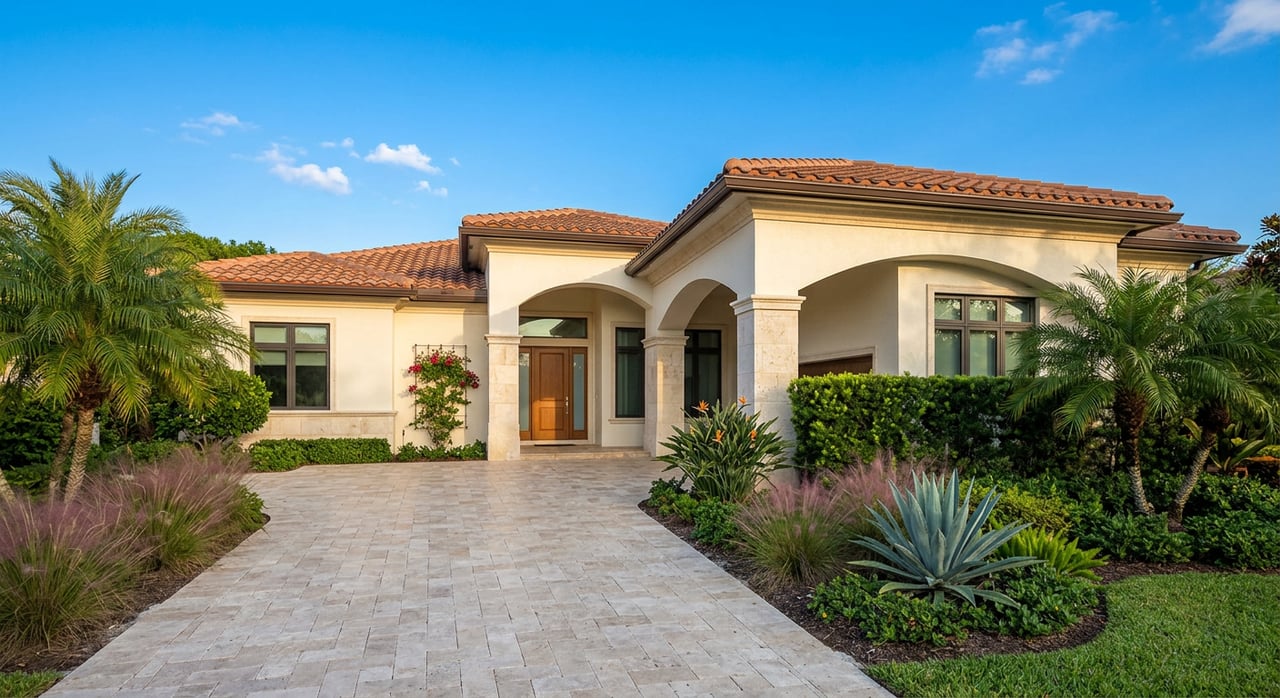
CCE is known for single‑family homes set along lakes, preserves, and golf‑view streets. Product types vary by neighborhood section and builder, from well‑sized production homes to larger, custom‑feeling residences. Community marketing pages and brokerage listings commonly show many resale homes in the roughly 2,300 to 3,000 square foot range, with price bands that begin in the mid‑$600s and extend well above $1 million for choice water or golf frontage. Always verify current pricing and availability in the MLS for the specific section and lot you are considering (CCE community overview).
If you are comparing lot types, you will usually see premiums for golf‑view, waterfront, and larger estate parcels. A local market snapshot by lot setting can help you dial in a fair offer price and understand how location within the village affects value.
HOA dues in CCE vary by neighborhood section. Dues typically fund resident amenities like The Retreat and village pools, common‑area landscaping, and security services. Because sections differ, ask the HOA for current dues, the latest budget, and a reserve study so you understand what is covered and how reserves are funded. You can request governing documents and budgets directly through the HOA or via seller disclosures and a document request during diligence (CCE HOA/amenities overview).
Many Lakewood Ranch villages are also within Community Development Districts (CDDs). CDD assessments, when present, appear on your annual property tax bill and fund long‑term infrastructure. Confirm whether a specific home carries a CDD assessment and review the most recent tax bill and seller’s disclosure to understand the amount for that lot (CDD and dues context).
If you plan to join the private club, remember that club dues and any food and beverage minimums are separate from HOA and CDD charges. Build a full budget that includes all three categories: HOA, property taxes (including any CDD), and club costs.
Use this step‑by‑step list to reduce surprises and make a clean, confident offer.
Choose Country Club East if you want a gated, amenity‑rich village with its own resident clubhouse, pools, trails, and a calm preserve setting. You can keep life simple with HOA amenities alone, or layer on a private club lifestyle if golf, racquets, and expanded dining are part of your plan. The separation between village life and private club membership keeps your options open as your needs change.
If you are comparing club communities across Lakewood Ranch, the scale of LWRG&CC is a standout. Four private 18‑hole courses and a deep amenity stack can make year‑round play and social life easier to plan, especially if golf is a weekly habit. Just be sure to verify membership details, waitlists, and playability so your daily rhythm matches your expectations.
Ready to map the right section, lot type, and membership path to your goals? Connect with a local advisor who blends lifestyle insight with finance‑grade diligence. Reach out to Theresa DiNapoli for a curated shortlist, budget planning, and on‑the‑ground guidance from first tour to close.
Stay up to date on the latest real estate trends.

Buyers
Lakewood Ranch
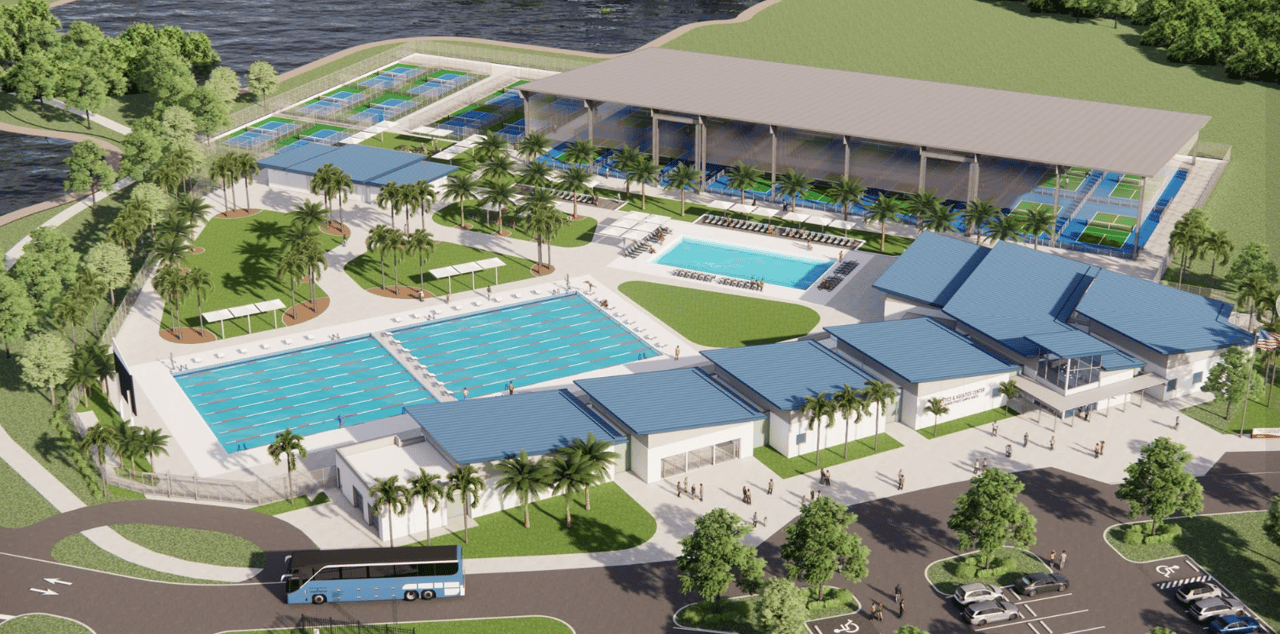
Residents Reshaped the Rangeland Parkway Campus. Here's What It Means for the Neighborhoods Next Door.
Buyers
Baby Boomers
Four Campuses on the Site Plan: A Real-World Guide to Star Farms Amenities

Buyers

Baby Boomers
Lakewood Ranch Community Activities

Golf communities
"We've got a pretty good method to the madness."
Theresa DiNapoli is a Lakewood Ranch REALTOR® specializing in golf, lifestyle, and relocation communities throughout Sarasota and Manatee counties. With a strong financial background, local market knowledge, and an eye for staging, she helps buyers and sellers understand their options, negotiate confidently, and navigate every step with transparency and personal guidance. Whether you are buying, selling, or coordinating both, Theresa will help you create a clear strategy—and start living your best life in Florida.