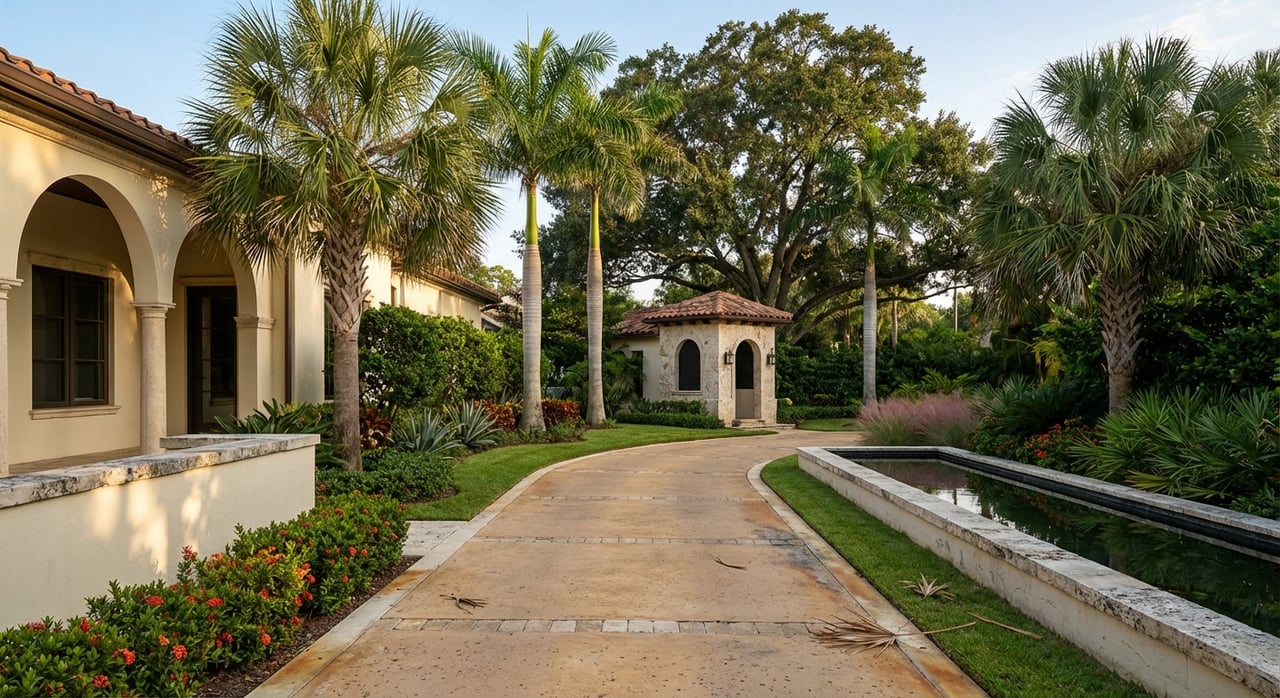
Relocating To Lakewood Ranch: How To Choose The Right Village
Baby Boomers Theresa DiNapoli February 19, 2026
Baby Boomers Theresa DiNapoli February 19, 2026
Feeling overwhelmed by all the Lakewood Ranch villages? You’re not alone. When you relocate, you want the right fit on lifestyle, budget, and day‑to‑day convenience. In this guide, you’ll learn how Lakewood Ranch is organized, what sets villages apart, how to compare HOA and CDD costs, and the exact steps to build a smart shortlist. Let’s dive in.
Lakewood Ranch is a master‑planned community designed as a collection of distinct villages built around town centers, parks, trails, and lakes. The official villages directory is your best map to features, builders, and price bands across the Ranch. Use the directory to start aligning options to your goals.
Infrastructure and some amenities are managed through Community Development Districts, or CDDs. Lakewood Ranch has multiple CDDs, coordinated by an Inter‑District Authority, often called Town Hall. If you want a primer on how that works locally, read the community’s overview of Lakewood Ranch CDDs and Town Hall.
Below are common village styles you’ll see. Confirm current options in the villages directory.
If you want to bike or stroll to restaurants, markets, and events, focus on villages near Main Street and Waterside Place. You’ll typically find condos, townhomes, and smaller single‑family homes with a lively, lakefront vibe.
For a club‑centric lifestyle, look at villages connected to private club amenities. These often include gated streets, social calendars, and dining. Pricing tends to skew higher. Always verify if golf membership is optional, required, or separate.
Some villages emphasize parks, playgrounds, community pools, and convenient access to schools and plazas. These areas often offer a range of single‑family homes and maintenance levels.
Age‑restricted villages deliver resort‑style pools, fitness centers, active programming, and maintenance‑included landscaping. They are popular with downsizers and seasonal residents.
You’ll find condos, paired villas, and townhomes with smaller footprints and lower yard work. These can be a strong fit for first‑time buyers, snowbirds, and investors. Always confirm rental rules with the HOA.
Understanding how HOAs and CDDs work in Florida will help you compare total carrying costs between villages.
CDDs are special‑purpose governmental districts authorized by Florida law to finance and maintain community infrastructure. They follow public budget and meeting rules. See Florida Statutes Chapter 190 for the legal framework for Community Development Districts.
In Manatee County, a CDD’s debt service and operations assessments are typically billed as non‑ad valorem line items on your annual property tax bill. The county’s tax‑collector site explains how these charges appear under property tax general information.
Florida Statutes Chapter 720 requires an HOA disclosure summary before you sign a contract. It outlines mandatory membership, current assessments, and special assessments. Review the full governing documents, budgets, and covenants. Read the state’s overview of HOA law and disclosures.
Most CDD assessments have two pieces: a fixed debt‑service portion repaying bonds and an annual operations and maintenance portion that can change. Two similar homes in different villages can have different totals because each district has its own bonds and budget. For a plain‑English explainer, see this guide on how Lakewood Ranch CDD fees work.
Do not compare only HOA dues. Add CDD debt, CDD O&M, HOA dues, property tax, and insurance. To start, look up current tax estimates by address on the county’s property tax estimator.
Use these variables to quickly reduce your list to the top three to five villages.
If you want weekly farmers’ markets, events, and dining close by, focus on villages near Main Street, Waterside Place, or The Green. These areas feel active and social, especially around the lakes.
Decide if you want a live‑club environment, public or semi‑private golf nearby, or no golf at all. Confirm whether membership is optional or required and how guest access works for family and friends.
Lakewood Ranch programming includes a wide range of youth and adult sports. The county’s Premier Sports Campus hosts tournaments and local play, which is a bonus if active recreation is a priority.
Most addresses fall in the School District of Manatee County, and some southern areas are in Sarasota County. Districts adjust attendance zones to balance capacity. Always verify the current assignment for the exact address and review recent updates. Local reporting covers Manatee school rezoning activity.
Proximity to I‑75, University Parkway, and State Road 70 helps with daily travel. Typical guidance puts downtown Sarasota and nearby beaches about 20 to 30 minutes away and Tampa around 50 to 60 minutes, depending on traffic. Test‑drive your commute at your normal times.
Lakewood Ranch is inland, but flood zones and wind exposure vary by parcel. Run the property address through FEMA’s Flood Map Service Center and ask for elevation details. Have a local insurance pro quote premiums for the exact home before you commit.
Recent aggregator data suggests median sale prices in Lakewood Ranch are roughly in the $550,000 to $650,000 range, with condos and townhomes typically below single‑family medians. For current snapshots, review neighborhood listings and data on Homes.com’s Lakewood Ranch page. Your final price depends on product type, lot, and finishes.
Use this quick process to move from 20 villages to your top 3.
If you want a curated shortlist, a cost breakdown for specific addresses, or a tour plan aligned to your timeline, reach out. With a finance‑informed approach and local village insight, you can make a confident move with less stress. Connect with Theresa DiNapoli to get started.
Stay up to date on the latest real estate trends.

Baby Boomers
Lakewood Ranch Community Activities

Golf communities
"We've got a pretty good method to the madness."

Real Estate Professionals
Buyers
Buyers
Buyers

Theresa DiNapoli is a Lakewood Ranch REALTOR® specializing in golf, lifestyle, and relocation communities throughout Sarasota and Manatee counties. With a strong financial background, local market knowledge, and an eye for staging, she helps buyers and sellers understand their options, negotiate confidently, and navigate every step with transparency and personal guidance. Whether you are buying, selling, or coordinating both, Theresa will help you create a clear strategy—and start living your best life in Florida.